



 Camera Basics
 Camera Choosing
 Camera Models
 Camera Buying
 DSLR Buying
 Choosing a DSLR Brand
DSLR Brands
Before buying a DSLR, it is critical to choose a brand for very practical reasons. Each DSLR brand has its own strengths, philosophies and limitations. As system cameras, DSLRs quickly acquire a multitude of dependent accessories which make switching brands more and more costly as time goes by.
There are 5 brands that still produce DSLRs: Nikon (17), Canon (10), Pentax (5), Leica (2), Sigma (1), while Sony and Panasonic have each discontinued their DSLRs in favor of mirrorless cameras.
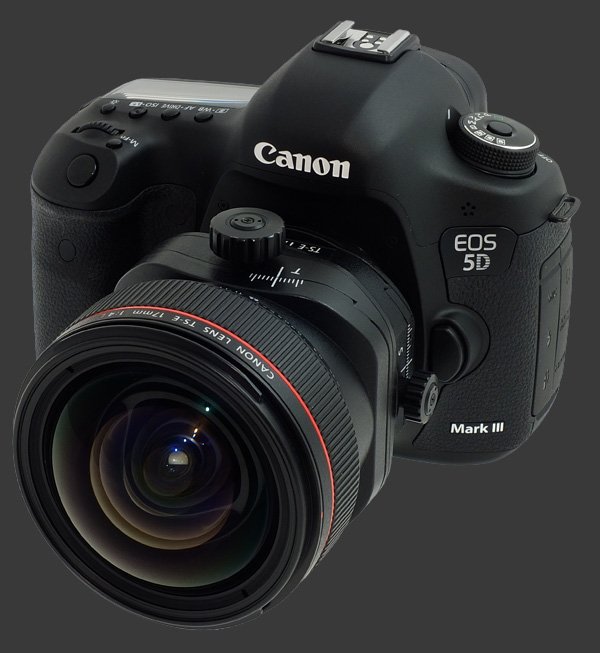
Lens Mounts
DSLR brands dictate a camera's lens mount and that determines which lens lineup is compatible. This is by far the most significant difference between brands. Anyone with a sizable investment of lenses is bound to prefer a compatible digital camera. Lens lineup vary greatly by manufacturer and each one has unique lenses. This is a major topic which is covered in its own section below.
Stabilization
There are two ways to offer stabilization for DSLR and each brand only implements one in their DSLR lineup. Nikon and Canon, market leaders by volume, offer optically stabilized lenses, which is the same approach taken by Sigma.
Pentax offers built-in image stabilization in all their DSLR cameras and so does not produce stabilized lenses, since they do not need to. Plus, each time a Pentax DSLR is improves upon built-in image-stabilization, every lens gets better!
Sensor Size
Full-frame DSLRs offer greater image quality, lower image and higher dynamic range than cropped-sensor models of the same generation. All brands finally offer Full-Frame and Cropped-Sensor DSLRs. Canon uses a slightly tighter 1.6X crop for their APS-C models, while the others use the more common 1.5X FLM. While this is a minor difference, it affects the viewing angle of third-party lenses that are designed for 1.5X and become tighter on Canon APS-C cameras.
Sensor size and lens size are somewhat correlated. If compactness is important, cropped-sensor cameras offered by all DSLR brands are beneficial. Plus, for wildlife and other types of photography where telephoto lenses are needed, the FLM works in your favor.
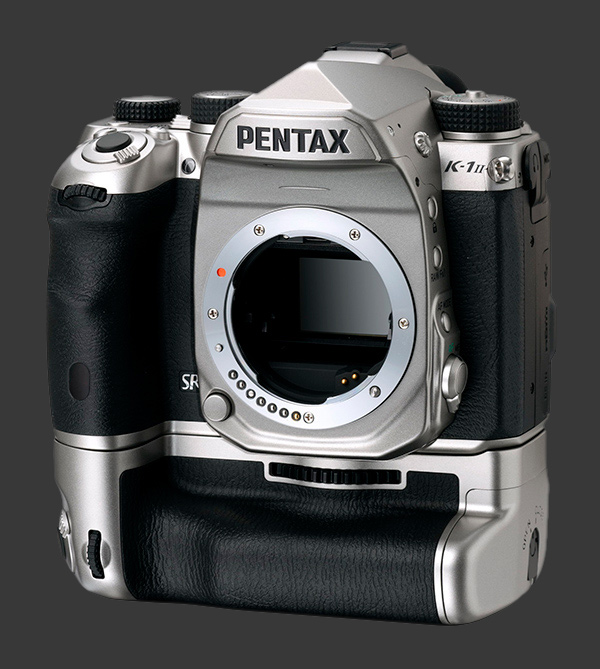
Advanced Features
There are a number of advanced features which drastically improve certain types of photography. These may not exist or be equally well implemented among all manufacturers.
Partly due to their smaller lens lineups, Pentax, Leica and Sigma have a smaller foothold in the pro market and therefore have developed fewer such features including high-speed autofocus and continuous drives. The only DSLRs to shoot at 10 FPS or more are from Canon and Nikon. Their cameras feature more autofocus points which is very advantageous for tracking moving subjects.
Weather-sealing lets cameras operate in adverse conditions. Pentax extremely tough DSLRs and have the only ones rated to work below freezing Down to -10C or 14F. They have also introduced weather-sealing in their mid-range DSLRs along with matching lenses. With Canon and Nikon, you need to buy rather expensive cameras and quite expensive lenses to get a weather-sealed system.
Pentax uses a magnetically suspended sensor and lets it stabilize the image by shifting and rotating. This alone gives them the unique ability to automatically correct for camera tilt Up to 2 degrees either side. and change perspective right in the camera, like a shift-lens. This improves image quality compared to processing by software.
Canon and Nikon are the big players in the DSLR market. This gives them more attention and support from third-party vendors of photographic equipment and software developers. Rental companies act the same way and many only rent equipment compatible with DSLRs from these two brands.
Ergonomics and design philosophy differ among manufacturers. This is partly due to their target audience and also part of their identities, meaning sometimes something is done differently just to be different, not because its better. These are difficult to generalize and reading reviews of specific models is most helpful for these.
Numerous other feature differences exist, between brands and cameras, but their significance depends on the intended type of photography. Astro-Photography is particularly demanding and the few models that offer an Astro-Tracer function are from Pentax. This feature uses the sensor-shift mechanism to compensate for the rotation of the Earth during long exposures. Professional action cameras from Nikon and Canon provide additional workflow features such as Ethernet connectivity.


DSLR Lens Line-ups
Lenses are key to the versatility and performance of a DSLR. For this reason, considering the lens lineup of a DSLR brand is critical. This is also where brands show more significant differences.
Numbers & Focal-Lengths
When it comes to choice and variety, Canon and Nikon lead by a huge margin. These brands have the largest lineups and the biggest support from third-party vendors. Canon, Nikon and Sigma offer the widest range of focal-lengths of any brands.
| Lenses | Canon EF / EF-S | Nikon F | Pentax K |
Leica S | Sigma S | Sony Alpha |
|---|---|---|---|---|---|---|
| Brand | 96 | 102 | 55 | 20 | 84 | 41 |
| Focal-Range | 8 - 800mm | 8 - 800mm | 10 - 560mm | 24 - 180mm | 8 - 800mm | 11 - 500mm |
| Third-Party *Irix, Samyang, Sigma, Tamron, Tokina, Venus Optics, Zeiss, ZY Optics | 340 | 324 | 147 | 150 | ||
| Focal-Range | 8 - 800mm | 8 - 800mm | 8 - 500mm | N / A | N / A | 8 - 600mm |
| Weather-Sealed | 102 | 76 | 33 | 10 | 15 | 16 |
There are more differences than simply number of lenses and focal-length. Keep in mind that Canon, Nikon and Sigma have several lenses in both stabilized and non-stabilized versions which is not needed by brands which rely one in-body stabilization.
Canon has the most weather-sealed lenses, the most stabilized primes and the most weather-sealed primes. Pentax has most of smaller lenses and they are generally of extremely high-quality. Those lenses save size and weight since the majority of the lineup is designed for APS-C coverage only.
Specialty Lenses
Lenses for special purposes are rare and those aimed at professionals are mostly found on brands with full-frame DSLRs.
- Only Canon, Nikon and Pentax have fisheye zooms among camera brands. Tokina makes some for Nikon and Canon.
- Canon has the brightest prime lenses: The Canon EF 50mm F/1.2L USM
Canon EF 50mm F/1.2L USM and Canon EF 85mm F/1.2L II USM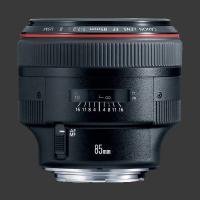
Canon EF 85mm F/1.2L II USM - Sigma makes the brightest zoom lenses for most DSLR mounts.
- Sigma has the widest rectilinear lens: The 8-16mm F/4-5.6 and 12-24mm F/4.5-5.6.
- Canon has the highest magnification lens: Canon MP-E 65mm F/2.8 1-5X Macro
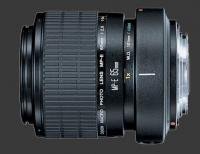
Canon MP-E 65mm F/2.8 1-5X Macro. - Canon and Nikon are the only camera brands producing tilt-shift lenses.
Lens data collected January 2021. Excludes exotic brands with limited worldwide availability.
 Back to DSLR Choosing Basics
Please Support Neocamera
All information on Neocamera is provided free of charge yet running this website is a huge endeavor. Purchases made via affiliate links found throughout the site help keep it running and up-to-date. There is no additional cost to you, so please consider buying via these links to our affilates:




If you found any information on this site valuable and did not purchase via our affiliate links, please considering donating via PayPal:
Any amount will be greatly appreaciated. Thank you for your support!


Camera Bag


Your camera bag is empty. To add a camera or lens click on the star next to its name.
Your camera bag is empty.
Add cameras or lenses by clicking on the star next to their name.
New Cameras & Lenses
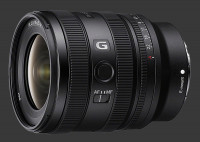
Sony FE 16-25mm F/2.8G
Weatherproof
Sony E Mount Zoom
2024-04-16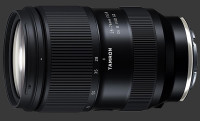
Tamron Di III 28-75mm F/2.8 VXD G2
Weatherproof
Nikon Z Mount Zoom
2024-03-28
Sigma A 50mm F/1.2 DG DN
Weatherproof
Sony E Mount Prime Lens
2024-03-27Sigma A 50mm F/1.2 DG DN
Weatherproof
Leica L Mount Prime Lens
2024-03-27
Nikkor Z 28-400mm F/4-8 VR
Stabilization & Weatherproof
Nikon Z Mount Zoom
2024-03-27
Leica SL3
60 Megapixels Mirrorless
Leica L Lens Mount
Built-in Stabilization
Weatherproof down to -10C
2024-03-07
Updates
2024.04.03

Fujifilm X-T5 Review
Newest Fujifilm flagship boasting a 40 MP APS-C sensor, 5-axis IBIS with 7-stop efficiency, 15 FPS continuous drive, 6.2K Video capture, dual control-dials and dual SDXC UHS-II slots in a sturdy weatherproof and freezeproof body.
2023.11.20

Best Digital Cameras of 2023
Find out which are the Best Digital Cameras of 2023. All the new Mirrorless Digital Cameras from entry-level to high-end professional.
2023.07.10

Fujifilm X-H2 Review
40 Megapixels APS-C Hybrid Mirrorless Digital Camera with 7-stop IBIS. Fastest shutter ever and 8K video capture. Large builtin EVF with 0.8X magnification and 5.8 MP, plus an Eye-Start Sensor. Packed with features and large number of controls in a weatherproof and freezeproof body.
2023.05.07

Sony FE 20-70mm F/4G Review
Review of the unique Sony FE 20-70mm F/4G lens. The optical zoom of this lens spans ultra-wide-angle and medium focal-length coverage, making it one of the most versatile Full-Frame lenses on the market.
2023.01.15

Huion Inspiroy Dial 2 Review
Review of the Huion Inspiroy Dial 2 tablet, a medium sized drawing surface with dual dials and customizable buttons. Connects via USB-C or Bluetooth 5.0 with Windows, Linux and Android support.
2022.12.08

How to Pack for a Photo Trip
Find out how to pack for a travel photography trip, carry your gear safely while meeting airline regulations.
2022.11.13

Best Digital Cameras of 2022
The best digital cameras of 2022. A short list of the most outstanding models in their respective categories. Choose one for yourself or as a gift.
2022.09.21

Pentax DA* 60-250mm F/4 SDM Review
Review of the Pentax DA* 60-250mm F/4 SDM, the constant-aperture telephoto zoom with the highest zoom-ratio on the market.
2022.09.20

Pentax DA* 50-135mm F/2.8 SDM Review
Review of the Pentax DA* 50-135mm F/2.8 SDM, the lightest professional telephoto zoom native to the K-mount.
2022.09.10

Pentax DA* 11-18mm F/2.8 DC AW Review
Review of the Pentax DA* 11-18mm F/2.8 DC AW, the widest professional ultra-wide zoom native to the K-mount.
2021.11.24

50 Gifts Under $50 For Photographers in 2021
50 Gifts photographers will love. All for under $50 USD. 2021 Edition.
2021.11.17

Best Digital Cameras for 2021
Neocamera shows which are the very best Digital Cameras for 2021 in every category: Mirrorless, DSLR, Premium Compact, Ultra-Zoom and Rugged.
2024.04.03
2023.11.20
2023.07.10
2023.05.07
2023.01.15
2022.12.08
2022.11.13
2022.09.21
2022.09.20
2022.09.10
2021.11.24
2021.11.17
NEWS
2024.04.24

Megadap Ultimate Canon EF to Nikon Z Adapter
2024.04.24

Sony Custom Grid License
Technology
2024.04.16

Sony Launches Bright Ultra-Wide Compact Zoom
Lens
2024.03.27
Sigma Ultra-Bright Normal Mirrorless Lens
Lens
2024.03.27
Nikon Launches Full-Frame Super-Zoom Lens
Lens
2024.03.20
New Lens Statistical Comparisons
2024.03.14
Fujifilm Brings New Features to Instax Series
Instant Camera
2024.03.07

Leica Launches SL3 Full-Frame Mirrorless
Digital Camera
2024.02.22
Panasonic Unveils Full-Frame Travel-Zoom Lens
Lens
2024.02.21
Sigma Reveals 2 Extreme Full-Frame Lenses
Lens
2024.02.21
Sony Reveals Bright Compact Full-Frame Zoom
Lens
2024.02.20
Venus Launches First Autofocus Lens
Lens

